
Intelligence at the edge.
Connected devices and edge systems that sense, communicate, and act — from Raspberry Pi and embedded Linux platforms to smart electrical monitoring and energy visibility. We engineer intelligent systems that interact with electricity and physical equipment.
Reviewed
Hover or focus a component to see what it is and what it talks to. Arrow keys move between them.
Field sensors report through an edge gateway to a broker; a time-series store feeds dashboards, and rules raise alerts that reach a person.
Components:
- Sensors (field): Temperature, vibration, level, current — wired or wireless.
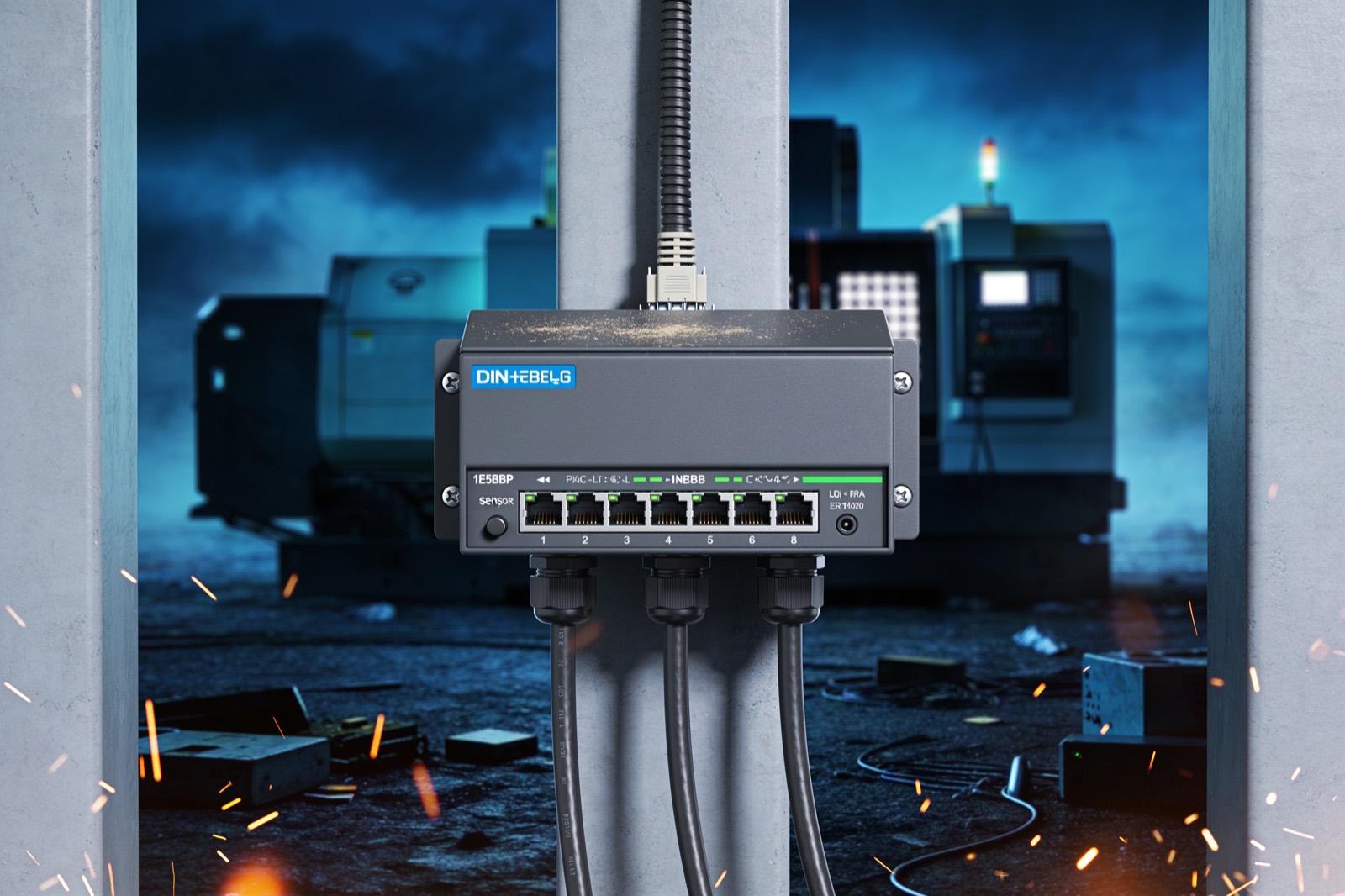
- Edge gateway (DIN rail): Reads the sensors, buffers when the link is down, speaks MQTT upward.
- MQTT broker: Pub/sub hub; many gateways, many consumers.
- Time-series store: Every reading, retained for the trend and the audit.
- Rules engine (thresholds): Thresholds, rates of change, missing-heartbeat detection.
- Dashboard: Live and historical views.
- On-call phone: The alert reaches someone who can act.
Connections:
- Sensors to Edge gateway over Modbus
- Edge gateway to MQTT broker over MQTT
- MQTT broker to Time-series store over MQTT
- MQTT broker to Rules engine over MQTT
- Time-series store to Dashboard over REST
- Rules engine to On-call phone over push
Sound familiar?
- We have no idea what those machines actually did last night.
- The data is on a screen in the plant and nowhere else.
- We want to monitor it remotely without ripping out the equipment.
What's included
12 services under IoT & Smart Systems.
IoT Systems
End-to-end industrial IoT systems — sensors, edge devices, secure MQTT pipelines, and dashboards engineered for reliability from plant floor to cloud.
Learn more →Raspberry Pi Systems
Industrial Raspberry Pi systems — Compute Module carriers, read-only filesystems, hardware watchdogs, and DIN-rail packaging built to survive deployment.
Learn more →Embedded Linux Systems
Embedded Linux systems engineering — Yocto and Buildroot images, device trees, A/B OTA updates, secure boot, and long-term kernel and CVE maintenance.
Learn more →Microcontroller Systems
Microcontroller systems and firmware — STM32, ESP32, FreeRTOS and Zephyr development with watchdogs, safe bootloaders, and low-power design that lasts.
Learn more →Smart Sensor Systems
Smart sensor systems — signal conditioning, edge processing, and wireless or wired connectivity that turn raw transducers into decision-ready data.
Learn more →Smart Electrical Monitoring
Smart electrical monitoring systems — split-core CTs, power meters, and live dashboards that reveal loads, power quality issues, and failing equipment early.
Learn more →Energy Monitoring Systems
Energy monitoring systems — submetering, demand tracking, and per-line dashboards that show exactly where power goes and where waste hides in your facility.
Learn more →Edge Computing
Industrial edge computing — local processing, on-device machine learning inference, and store-and-forward designs that keep running when networks fail.
Learn more →IoT Gateways
Industrial IoT gateways — protocol translation from Modbus and OPC UA to MQTT, store-and-forward buffering, TLS security, and DIN-rail deployment.
Learn more →Connected Equipment
Connected equipment engineering for OEMs — telemetry hardware, remote diagnostics, and fleet dashboards that keep you connected to every machine you ship.
Learn more →Smart Controls
Smart control systems — sensor-driven logic, adaptive setpoints, and engineered fail-safe states for equipment and processes that shouldn't run open-loop.
Learn more →Remote Monitoring & Control
Remote monitoring and control systems — secure telemetry, escalating alarms, and authorized control of pumps, tanks, and equipment at unmanned sites.
Learn more →How we approach it
Straightforward, in this order.
01
Sense without surgery
Split-core current transformers, magnetic-mount vibration sensors, optical counters — most equipment can be instrumented without touching its controls or its warranty.
02
Edge-first architecture
Data is processed and buffered next to the machine, so the system keeps working when the network doesn't. Cloud is added when remote access earns it.
03
Industrial-grade packaging
DIN-rail mounting, proper enclosures, watchdogs, and remote recovery — the difference between a demo and a device that survives years on a plant floor.
04
Own your data
Local dashboards and open databases by default. No mandatory vendor cloud, no subscription holding your own telemetry hostage.
Ask about IoT & Smart Systems
Describe the problem. Get a straight answer.
One line is enough. An engineer replies within a business day.
Typical engagement
- Shape
- Pilot on a handful of machines or sites, then scale-out with a supported data path to your systems.
- Duration
- Pilots in three to six weeks; plant-wide or fleet-wide rollouts typically two to six months.
- Team
- An embedded/edge engineer and a cloud or data engineer.
- You hold at the end
- Sensor and gateway selection
- Edge software and firmware with source
- Data pipeline to your database or cloud
- Dashboards, alerts, and a maintenance guide
- Pricing
- Scoped per project after a call; fixed-price phases where the scope is firm, time-and-materials where it isn't. How engagements work →
Work it out yourself
Can I get data off this old machine?
Machine age, controller family, ports, network and the signal you want — and the realistic ways to get data out, with effort and invasiveness for each.
How this gets priced
What moves the number, before there is a number.
We publish no rates — every engagement is quoted against a written scope. What we can tell you is what that scope will turn on, so you can see the shape of the price before the call.
Cost drivers
- Number and type of sensing points
- Wired versus wireless, and the site's radio environment
- Where the data must live — cloud, on-premises, or both
- Alerting: who gets paged, on what, and how fast
- Battery, enclosure and environmental ratings
A typical first phase
A pilot of a handful of points on one asset, reporting to a dashboard and a phone, run long enough to trust the data. It ends with a bill of materials and a scope for the rest.
What makes it expensive
- Hostile environments — heat, washdown, vibration, RF noise
- Sites with no network and no cellular coverage
- Many sensor types, each needing its own conditioning
What makes it cheaper
- Wired sensors where wiring already exists
- A single gateway per area rather than a radio per sensor
- Standard protocols — Modbus, MQTT — over vendor clouds
Who this is for
Built for operators, not for the demo.
Manufacturers connecting equipment, OEMs embedding intelligence in products, startups building connected hardware, and facilities that want energy and electrical visibility.
Available as a scoped project, contract engineering, or a fractional arrangement — see how we work.
Related insights
From the notes.


Common questions
Asked before every IoT & Smart Systems project.
Is a Raspberry Pi reliable enough for industrial use?
With the right engineering, yes — for monitoring, gateways, displays, and non-safety-critical control. That means industrial power supplies, proper enclosures, watchdogs, read-only or endurance storage, and remote recovery. For safety functions or harsh extremes, we specify industrial-grade hardware instead.
What can smart electrical monitoring tell us?
Current and power draw are a machine's vital signs: they reveal run state, cycle counts, load changes, developing mechanical problems, and energy waste — often without any connection to the machine's controls. It is one of the cheapest ways to start collecting real operational data.
Do IoT systems require cloud subscriptions?
No. We build systems that can run entirely on your network when that fits — local dashboards, local storage, local alerts. Cloud is added when remote access, fleet views, or off-site backup earn it, and you own the data either way.
How do sensors get added to equipment we don't want to modify?
Non-invasively where possible: split-core current transformers that clamp around a wire, vibration sensors that mount magnetically, optical and proximity sensors that watch the process externally. Warranty and controls stay untouched.
What happens to the data — where does it live?
Wherever you need it to: your own cloud account, an on-premise database, or both. We prefer open, documented data paths (MQTT, standard databases, exportable formats) so the data is yours and usable by other tools, not locked into a vendor dashboard.
Do you build with off-the-shelf hardware or custom boards?
Off-the-shelf industrial hardware wherever it exists — gateways, sensors, edge computers — because it is supportable and replaceable. Custom electronics only when the requirement truly calls for it, and then designed so it can be manufactured and maintained without us.
Strategy. Software. Systems.
Have a system that should exist?
Tell us what your operation is doing manually, what isn't connected, or what you're trying to build. We'll tell you plainly whether and how we can help.