Skip to content
willowark

About Willowark

Engineers who understand business.

Willowark sits at the intersection of strategy, software, AI, engineering, and automation. Our specialty is the boundary between digital and physical systems — where a machine meets a database, a sensor meets a dashboard, a manual process meets software that can do it better.

That boundary is where most companies get stuck. Software firms don't want to touch the plant floor. Controls integrators don't build cloud platforms. AI consultancies have never wired a sensor. We work across all of it, so a problem that spans sensing, software, data, and infrastructure has one accountable engineering partner instead of four vendors pointing at each other.

Digital + physical systems engineeringSoftware · AI · Vision · IoT · IndustrialContract, fractional & project-basedManufacturers · OEMs · Integrators · StartupsBased in the Saratoga Springs area — serving nationwideStrategy. Software. Systems.Digital + physical systems engineeringSoftware · AI · Vision · IoT · IndustrialContract, fractional & project-basedManufacturers · OEMs · Integrators · StartupsBased in the Saratoga Springs area — serving nationwideStrategy. Software. Systems.

The people

Two founders, a revenue lead, and an advisor who has run eight companies.

Blake Roy, Co-Founder & CEO

Co-Founder & CEO

Blake Roy

Founder, operator, industrial-minded builder.

Blake is a founder, operator and industrial-minded builder focused on energy, technology and long-term value creation — known for combining high standards, sharp business instinct and relentless execution to build companies, create opportunities and move complex ideas into reality.

After an early career in software engineering at top firms, he built and sold his first company within a year, then earned trust in larger rooms across energy, manufacturing and technology. His work now spans international partnerships, company building, team development and strategic growth across the United States, Brazil, Portugal, Spain, Germany and the United Kingdom.

His perspective rests on one belief: most people live far below their true potential, and exceptional outcomes require exceptional standards. It shapes how he leads, how he builds and how he thinks about business — with a particular focus on energy innovation, industrial scale, leadership, and the systems it takes to build durable companies in frontier industries.

He is the engineer on the other end of the call at Willowark: the person who reads your message, scopes the work, and stays accountable for it through commissioning.

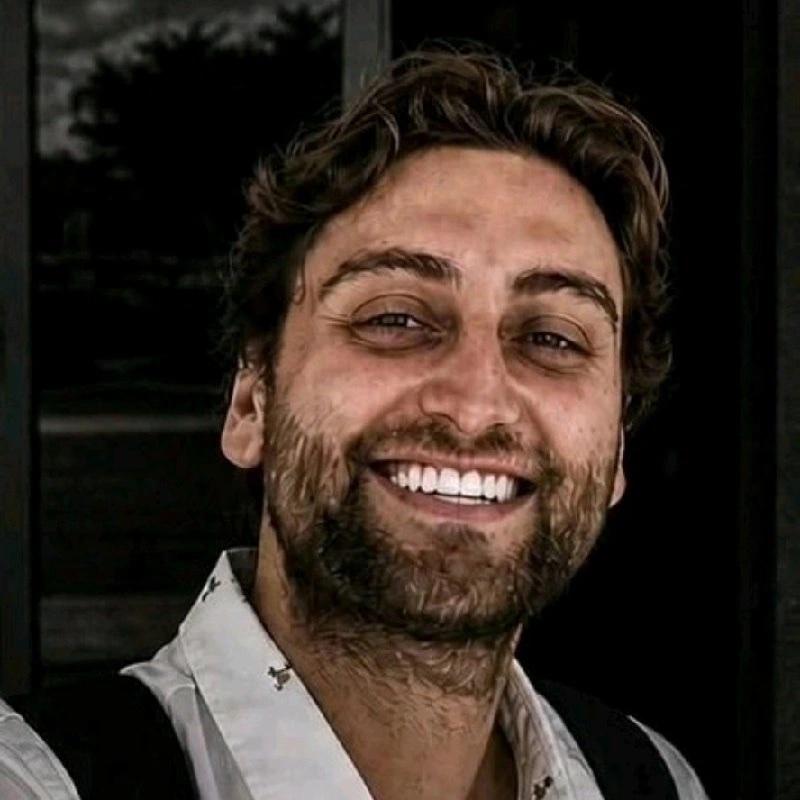
Isaac Favata, Co-Founder

Co-Founder

Isaac Favata

Solutions engineer. Makes processes better and people heard.

Isaac is a solutions engineer with a habit of looking at a process and asking why it takes that many steps. His technical and engineering background is paired with years in sales and customer service, which is why the systems he scopes tend to fit the people who actually have to use them.

He cares about three things that turn out to be the same thing: personal connection, sustainability, and making work better for the humans doing it. At Willowark that shows up as straight conversations, measured results, and solutions that survive contact with a real shop floor.

Kuba Nowosielski, Chief Revenue Officer

Chief Revenue Officer

Kuba Nowosielski

An entrepreneur running revenue — which changes how the first call goes.

Kuba runs revenue at Willowark — the whole path from a first conversation to a written scope, and the relationships that keep clients coming back for the next system. He came to it as an entrepreneur rather than a salesperson: he has built and run his own ventures, made payroll, and sat on the buying side of vendor pitches, which is why he treats a client's budget the way he treated his own and a scope the way he would want a promise kept.

In practice that means no script. He would rather tell you Willowark is the wrong fit than win a project that will not hold up, and he measures himself on whether the engineer who picks up the work says the scope was right. The conversation ends in a written scope or a straight no — nothing in between.

Christopher Butlin, Advisory Board

Advisory Board

Christopher Butlin

Thirty-five years turning high-tech companies toward growth.

Chris brings thirty-five years in high technology across motor drives, robotics, information technology, telecoms and biotechnology — executive and leadership roles that became the foundation for the CEO mandates and advisory work that followed.

For the last twelve years he has advised investors while taking leadership roles to re-vector technology companies for growth or prepare them for mergers and acquisitions, alongside numerous due-diligence mandates assessing company performance and advising investors on revised strategies for growth.

  • CEO, solar power materials provider (Edmonton)
  • CEO, digital-rights SaaS provider; Board chair for 8+ years (Vancouver)
  • CEO, oil & gas compliance SaaS (Calgary)
  • CEO, oil & gas accounting software (Denver)
  • CEO, cellular telecoms provider to IIoT industries (Houston)
  • COO, steel-industry instrumentation and control
  • CEO mentor, biochemistry production (Boulder); advisor, biotech startup

How we think

Four rules we don't bend.

Illustrative: an office workstation with documents flowing into a screen of structured data

The problem first, the technology second

We don't lead with AI, or IoT, or any tool. We start from the expensive, repetitive, disconnected parts of an operation and choose the technology that removes them. Sometimes that's machine learning; sometimes it's a well-placed sensor and a database.

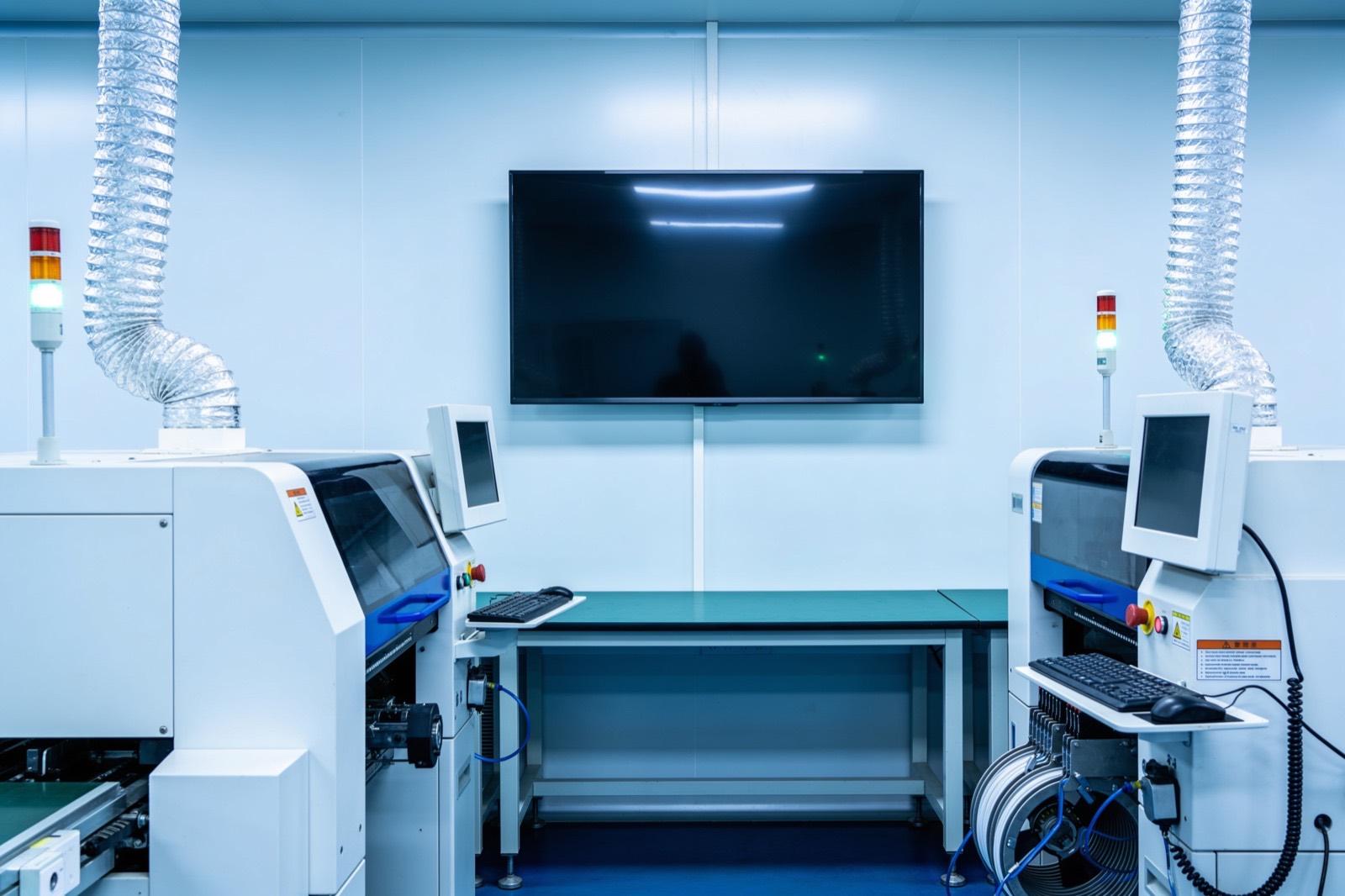
Illustrative: a plant floor dashboard on a wall-mounted TV beside production equipment

Systems, not point solutions

A camera that inspects but doesn't record, a dashboard nobody opens, a script only one person understands — that's how technology becomes shelfware. Everything we build is designed to connect: to your data, your people, and the systems you already run.

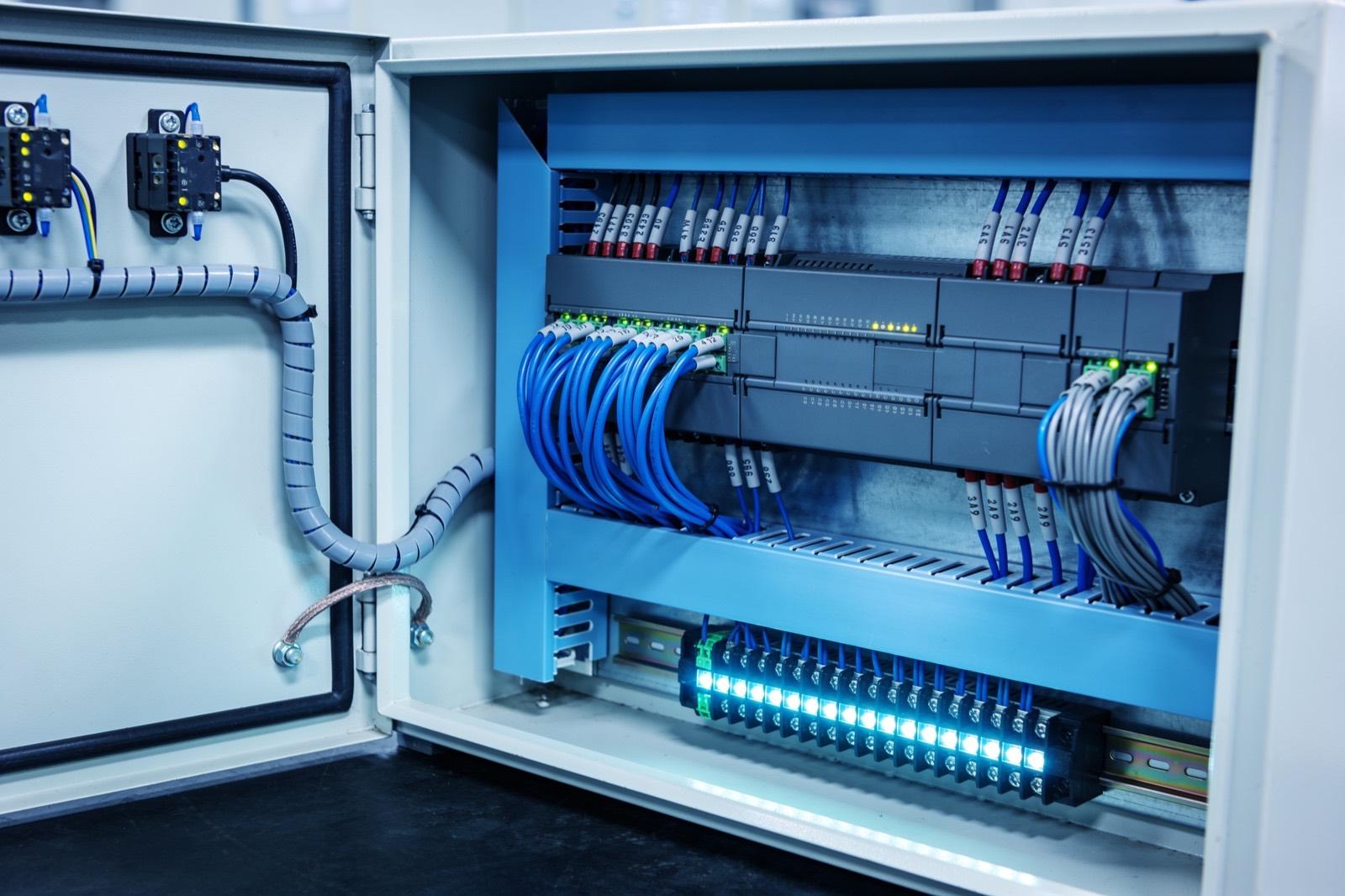
Illustrative: an industrial control cabinet with PLC modules and wiring

Production-grade or not at all

Demos are easy. Systems that survive night shifts, dust, staff turnover, and five years of use are engineering. We build for the second category, with monitoring, documentation, and failure behavior thought through before handover.

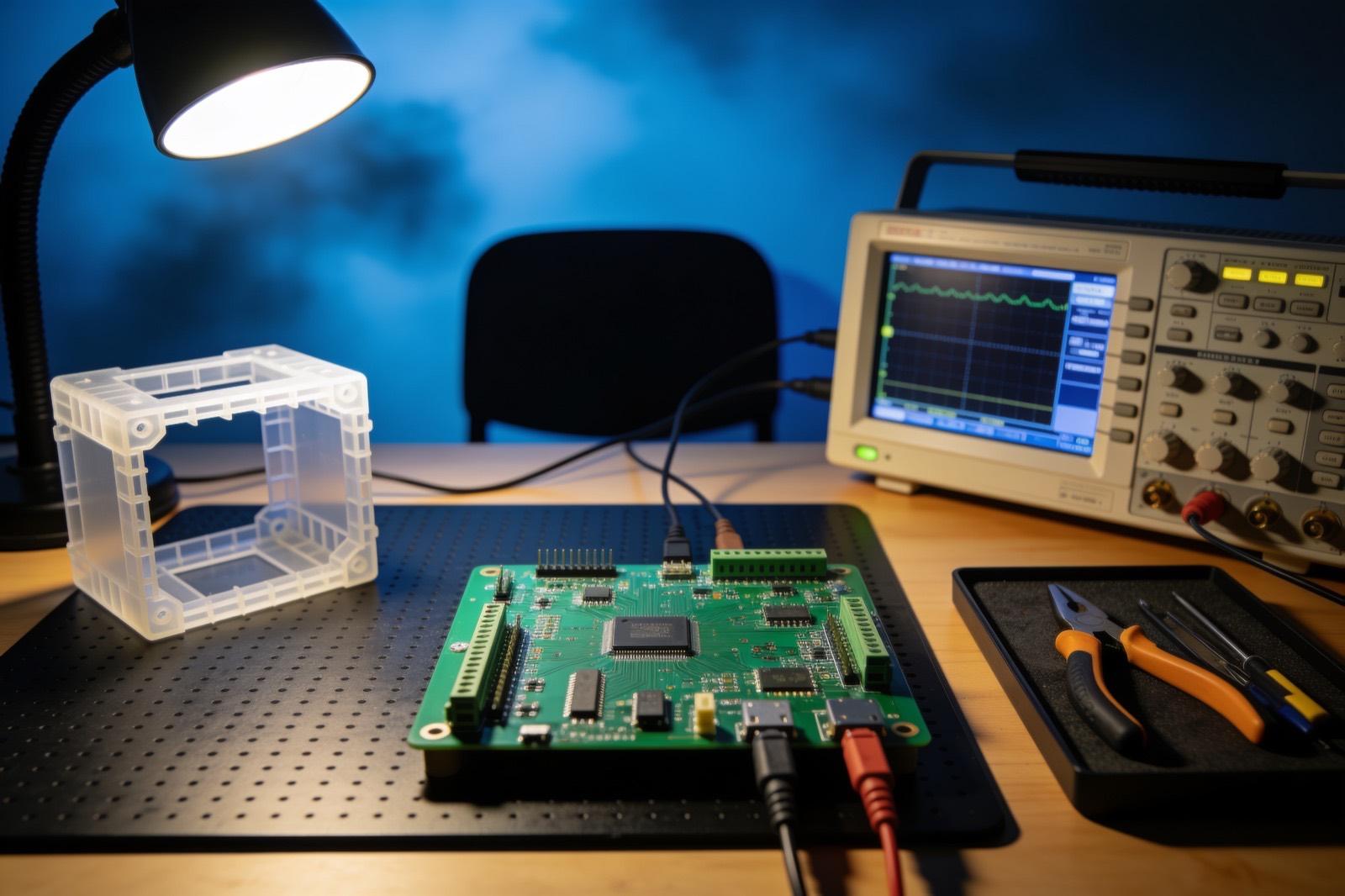
Illustrative: an electronics bench with a prototype board, oscilloscope, and 3D-printed enclosure

Straight answers

If the honest answer is 'buy the off-the-shelf tool' or 'this proof of concept says stop,' that's what you'll hear. A company our size keeps clients by being right, not by being agreeable.

Why the willow

Rooted, adaptable, still standing.

The name comes from the willow tree: adaptable, resilient, deeply rooted — an organic system with strong foundations and branching possibilities. It's how we build. Systems should bend with a business as it changes, stay standing when conditions get rough, and grow new branches without being torn out at the roots.

You can see the same idea in our work: from radar sensing in steel mills to software inside a global financial platform — different environments, same discipline.

How we actually work

The week, the checkpoint, the document, and the day the estimate is wrong.

What a week looks like

Every engagement has a cadence written into its model — weekly for contract and fractional work, at milestones for scoped projects, on a known response time for retainers — and it is stated on the engagement page before you sign anything, not discovered afterwards.

What a checkpoint contains

Something that runs. A vision cell that inspects ten parts, a gateway that has reported for a week, a screen your operator has used. Slides are not a checkpoint. If there is nothing to run yet, the checkpoint is a written decision and the reason for it.

Who writes the documentation

The engineer who built it, as they build it — wiring, register maps, deployment, failure behaviour, and what to check first when something looks wrong. It goes with the system, in your repositories, and later into a help centre your team can search.

When an estimate is wrong

You hear about it the week we know, with the options: narrow the scope, change the approach, or stop. A proof of concept that says stop is a result, not a failure, and it is priced as a small first phase for exactly that reason.

We run on what we build

Willowark runs its own company on an operating system built in this repository — leads, meetings and their AI notes, scopes and proposals, projects and the engineering work loop, invoicing, the weekly report — and this website is published from it. The proof and copy you read here left that system as pull requests.

How this site is built, with the numbers →

Where we are

Based in the Saratoga Springs area of New York. On-site across the Capital Region; remote engineering nationwide.

Service areas →

Strategy. Software. Systems.

Talk to an engineer.

No sales layer between you and the person who would build your system. Describe the problem; we'll tell you what it takes.

Book a call

Or describe it here

One line is enough. A person reads it and replies within a business day.

We reply within one business day. No newsletter unless you ask. Privacy