
Catch the 2 a.m. emergency and have the water heater quoted by breakfast
Willowark builds AI automation and custom software for plumbing companies: after-hours intake that captures the flooded-basement call your on-call tech slept through, follow-up that keeps water heater and repipe quotes from going cold, and tools that show what is on each truck before a tech drives across the county for a fitting.
We work from your existing field service platform, accounting package, and supplier accounts, automating the seams between them. Then we build what plumbing shops run in spreadsheets: on-call rotation with real escalation, truck stock and replenishment, and a backflow roster that knows what is due to which water district and when.
The first project in a plumbing shop is almost always the phone, because the on-call cell is where the money leaks. We start by listening to how your dispatcher and your on-call tech actually handle a flooded-basement call, write that triage down, and put an answering system in front of it that books the morning work and wakes a person for the real thing. From there the same job record feeds truck stock and same-day invoicing. We do the discovery on-site across the Capital Region and support plumbing companies remotely nationwide.
Reviewed
Sound familiar?
If you've said any of these, we should talk.
“The on-call guy answers his cell at midnight and half the time he cannot tell if it is a real emergency.”
We build after-hours AI intake that runs your triage script — is the water shut off, is it sewage, is there an active leak, is this a commercial account under contract. Real emergencies escalate with a structured summary. The rest is booked for morning.
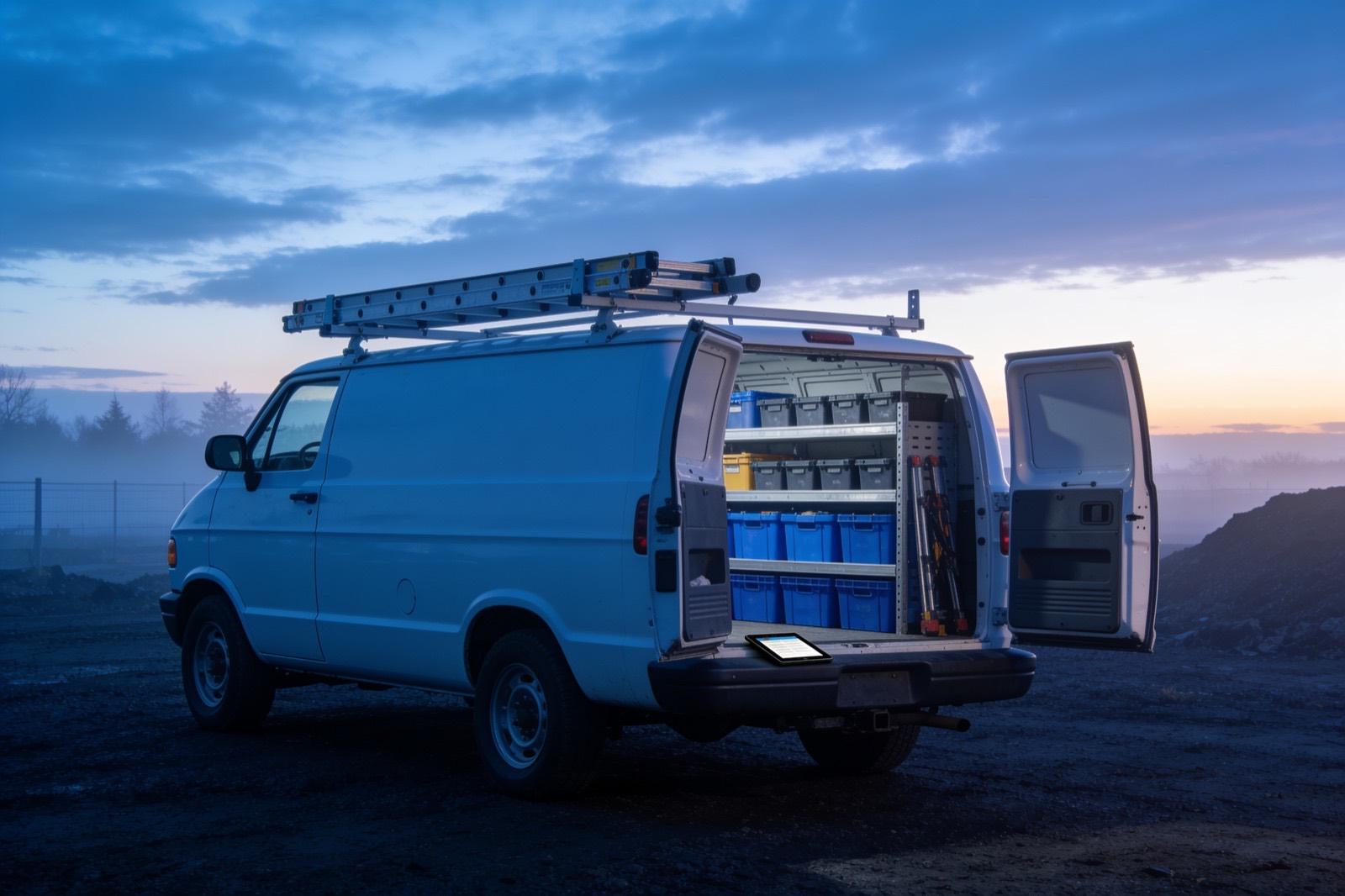
“We lose most of a day when a tech gets to a water heater job without the right unit on the truck.”
We build truck stock tracking that shows what is loaded, what got used on the last job, and what needs replenishing tonight. Tied to job type, dispatch can see whether the assigned truck can finish the call, and reorder requests go to your supplier automatically.
“Backflow test reports are due to the water district and we track them on a wall calendar.”
We build a backflow roster holding every assembly by address, its test due date, the certification required, and which tech holds it. It schedules retests, produces the report in the purveyor's format, and warns before certifications expire.
“We quote a repipe, the customer says let me think about it, and we never call them back.”
We automate follow-up by ticket size: a text the next day on a water heater quote, a sequence running weeks on repipes and sewer replacements, because those decisions take weeks. Financing options and job photos go out with it.
“Techs finish a job, hand in a paper ticket two days later, and the invoice goes out a week after that.”
We move the ticket onto the phone: parts used, labor time, photos, and a signature captured before the tech leaves the driveway, posted to the office as a finished job. Invoicing runs from that record the same day, and the paper ticket that sat in a truck for two days disappears.
How this industry actually runs
The operation as we usually find it.
Plumbing runs on interruption. Scheduled work fills the calendar — a repipe, a bathroom remodel, a water heater swap, a sewer line replacement — and then a call comes in with water on the floor and everything moves. Someone is on call every night and weekend, rotating through a small crew, and the on-call phone is a personal cell answered half asleep. Diagnosis happens before anyone drives: is the water off, where is the shutoff, is it clean water or sewage. Truck stock decides profitability, because a tech missing a part is a second trip nobody pays for. Water heaters need permits in many jurisdictions and warranty registration after. Backflow assemblies need certified annual testing and a report filed with the water purveyor by a deadline, and only a certified tech can do it.
From the phone and the truck to the office, without re-typing
Components:
- Calls, texts, forms (customers)
- Crews in the field (photos, hours, parts)
- Automation layer (AI + rules, review)
- Quotes & invoices (drafted for approval)
- Schedule & CRM (one source of truth)
Connections:
- Calls, texts, forms to Automation layer (capture)
- Crews in the field to Automation layer
- Automation layer to Quotes & invoices
- Automation layer to Schedule & CRM
What we build
Starting projects that fit Plumbing.
- After-hours AI answering with plumbing triage and on-call escalation rules
- On-call rotation management with automatic handoff, escalation, and missed-call backup
- Truck stock and parts replenishment tied to job types and supplier reordering
- Backflow certification and annual test reporting with per-district deadline tracking
- Automated follow-up on water heater, repipe, and sewer line estimates
- Field service to accounting integration so completed jobs invoice the same day
- Automated review requests once the job passes, with photos or camera footage attached
- Water heater permit and warranty registration tracking from install through the filing deadline
Capabilities we bring
What we'd build first
Three places a first project usually starts.
01
After-hours AI answering with plumbing triage and on-call escalation rules
02
On-call rotation management with automatic handoff, escalation, and missed-call backup
03
Truck stock and parts replenishment tied to job types and supplier reordering
On-site across the Capital Region and remote nationwide — see where we work.
Working in Plumbing?
Tell us the line.
What runs by hand, what is not connected, what you are trying to build. An engineer replies within one business day with whether and how we would approach it.


Common questions
What Plumbing teams ask first.
How does an AI handle a real plumbing emergency call?
It answers on the first ring, confirms the address, and walks the caller through what you would ask: is the water shut off, where is the main, is it clean water or sewage, is it spreading. Anything urgent rings the on-call tech with a written summary, and the system escalates rather than guessing.
Can you track backflow certifications for our techs as well as the assemblies?
Yes, and they belong in the same place. The roster holds each assembly, its test schedule, and the purveyor's filing requirements alongside every tech's certification number and expiration. Scheduling then only assigns a test to someone actually certified to perform it.
We already pay for a field service platform. What would you add?
Those platforms are good at scheduling, dispatch, and invoicing, and weak at what is specific to your shop. Truck stock by unit, backflow compliance, on-call rotation, and follow-up tuned to job value end up in spreadsheets and text threads. We build those and connect them.
Our on-call rotation is a group text and a whiteboard. Is that really worth building software for?
Usually, once the shop has more than a couple of techs on rotation. The failure is not the whiteboard; it is what happens when the on-call person does not pick up. We build the rotation with automatic handoff, so a missed call rolls to the backup and then to you, and every callout is logged with who answered and when. That record also settles the argument about who worked the most weekends.
Can you connect us to our supply house for parts ordering?
Often, though it depends on the supplier. Larger plumbing distributors typically offer online ordering with an account interface we can build against, so a replenishment list from truck stock becomes an order without anyone retyping it. Smaller supply houses may only take orders by email or phone, in which case we generate the order as a formatted list and send it for you. Either way the reorder is triggered by what the trucks actually used.
Strategy. Software. Systems.
Engineering for Plumbing.
Describe the problem in your own words. An engineer reads it — not a sales script — and tells you plainly what it would take.